
PROVIDERS

OFFICE TOUR

EXPECTING


Colds, upper respiratory infections, and URIs are common terms we use to describe viral illnesses that cause nasal congestion, runny nose, sneezing, sore throat, fever, and cough. The fever usually lasts for 2-3 days, and the cough with congestion and runny nose may last for 5-10 days. The typical preschool-age child may experience 6-10 colds per year. Most colds resolve on their own with rest and fluids, but some may lead to ear infection, sinus infection, asthma attack, or other complications. If you are concerned about the possibility of one of these complications, please have your child seen in our office for an evaluation.
For more information: See also Colds, See also Sinus Pain or Congestion
COVID-19 is a disease caused by the SARS-CoV-2 virus. Below are the symptoms to look out for, ways to protect your family, and how to care for someone with COVID-19.
Symptoms of COVID-19
Symptoms of COVID-19 range from mild to severe. They generally begin 2-14 days after being exposed to the virus. Symptoms can vary between people based on vaccination status and COVID-19 variants; however, possible symptoms include:
Who is most at risk and how does COVID-19 affect children and teens?
According to the US. Centers for Disease Control (CDC), some people are more likely to get severe illness from COVID-19. Those at increased risk include:
While certain groups seem to be more at risk of severe disease, people of all ages can become severely ill from COVID-19. Youth with underlying medical conditions are most at risk for significant illness including youth with:
What about Multisystem Inflammatory Syndrome (MIS-C)?
MIS-C is a rare complication in children associated with a COVID-19 infection. Symptoms usually occur 4 weeks after a COVID-19 infection.
Symptoms include
Children with these symptoms need to be adminted to the hospital. It is treatable with IV medications.
COVID-19 Vaccines
COVID-19 vaccines are FDA approved for everyone 6 months and older. They are safe and effective and help protect from severe illness, hopsitalization, death, and protect the community around us. COVID-19 vaccines are updated yearly to give you the best protection from currently circulating strains.
Side effects from the vaccine range from no side effects to other common side effects including: pain/swelling/redness where shot was given, tiredness, headache, muscle pain, low grade fever. It is not recommended to take tylenol or ibuprofen before vaccines to prevent side effects; however, it is ok to take after the vaccine. Additional comfort measures include rest, moving the extremity where vaccine was given, stay hydrated.
We Were Just Infected with COVID-19 Should we Still get the Vaccine?
Yes! If you have had a recent COVID-19 infection your vaccine can be delayed about 3 months from the beginning of the infection. The COVID-19 vaccine will provide added protection.
You can get your COVID-19 vaccine at Lowry Pediatrics during your well child visit, sick visit, or call to make a nurse visit appointment to receive the vaccine!
Additional information regarding COVID-19 Vaccines:
COVID-19 Testing
Testing is more readily available now and can be a good tool to help you know if you our your child has COVID-19 and what to do next. We offer rapid COVID-19 testing in clinic.
If you would like at-home COVID-19 tests, every U.S. hosehold is eligible to order 4 free at-home tests. You can order tests here.
How COVID-19 spreads and how to protect your family
COVID-19 is spread from person to person through respiratory droplets (very small particles) that contain the virus. A person can spread COVID-19 even if they do NOT have symptoms. Here are a few ways to protect your family:

We are currently seeing cases of croup, a viral respiratory illness that most often is caused by the parainfluenza virus. The cough and breathing that are associated with croup make it distinctly different from other viral colds or respiratory illnesses. This is because the parainfluenza virus infects and irritates the voice box, the vocal cords, and the windpipe. The cough is worse at night, and it has a distinct bark that sounds much like a seal's bark. Associated with the barky cough, your child may have difficulty when inhaling air, making a labored and whistling sound when breathing in -- called stridor. Humidified air and fluids often are the most helpful treatments.Please call the office to have your child evaluated by the doctor if he/she has symptoms of croup.
For more information: See also Cough, It doesn't sound like croup, see Cough, See also Croup, Tight purring sound when breathing out, see Wheezing (Other Than Asthma)
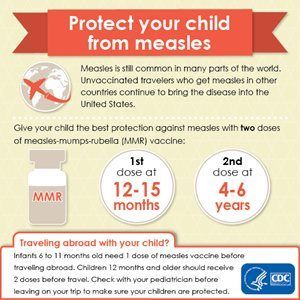
Measles is a vaccine preventable, highly contagious viral respiratory disease. Measles, Mumps, Rubella (MMR) vaccination remains the best way to protect against measles.
How to Protect your Family from Measles
Ensure your child is vaccinated against measles. Below are the guildelines for vaccination.
Routine Measles, Mumps, ad Rubella Vaccination:
Special Populations Measles, Mumps, and Rubella Vaccination Recommendation:
International travel - specifically to areas with measles outbreak
How to Know if There is an Outbreak Where I am Traveling or in my Community?
The Centers for Disease Control and Prevention tracks measles cases and outbreaks and updates information every Thursday.
The Colorado Department of Public Health & Environment updates their website with Colorado exposure locations.
How Measles Spreads and How to Protect your Family
Measles is one of the most contagious viruses. It is easily spread through breathing, coughing, and sneezing. Measles is airborne meaning it can remain in the air and on surfaces for up to 2 hours after the infectd person leaves the area.
The best way to protect your children and family is to ensure everyones MMR (measles, mumps, rubella) vaccine is up to date.
Symptoms of Measles
Symptoms measles generally begin 7-14 days after being exposed to the virus. Measles can be dangerous, especially for babies and young children. People are contagious 4 days before the rash and 4 days after the start of the rash.
The first symptoms occur 7-14 days after being exposed and typically include
3-5 days after symptoms begin
Complications of Measles and Who is at Risk?
Measles infection can cause complications and be serious in all age groups.
Groups at highest risk for measles complications include
Complications from measles include
What to do if you have been exposed or think your child may have measels?
Measles Testing
Measles testing is done through the Colorado Department of Public Health - If you think your child may have measles CALL us and we can help determine if testing is necessary.
More Information on Measles:
We are currently seeing quite a bit of strep throat. If your child has a fever, sore throat, headache, or stomachache without any other viral symptoms like congestion or cough, it may be strep throat. Bacteria, called Group A strep, cause this type of sore throat. To diagnose strep throat, your physician will require a swab of your child's throat, and antibiotics will be needed if the strep test is positive.
For more information: See also Sore Throat, See also Strep Throat Exposure
We are currently seeing viral illnesses that cause vomiting and diarrhea. Usually called viral gastroenteritis, the virus causes inflammation and irritation of the stomach and the intestines, leading to vomiting and diarrhea. This illness, often called the "stomach flu" typically lasts 1-2 days, with diarrhea lasting a few days longer.
It is important to make sure that your child does not get dehydrated with this condition. Offer Gatorade, Pedialyte, or warm soda pop in small amounts every 20 minutes until your child can keep liquids down. If they are unable to keep liquids down, back off for 2 hours, then try the small amounts again. If your child has few wet diapers and does not make tears, or appears limp or lethargic, they may be dehydrated and we will need to see them in our office.
For more information: See also Diarrhea, See also Vomiting Without Diarrhea
We are currently seeing an increase in cases of Pertussis in our community. Pertussis, or whooping cough, is a respiratory illness that begins with mild cold symptoms and progresses to a severe cough. The cough comes in spasms and is sometimes characterized by a high-pitched whooping sound followed by vomiting. Classic pertussis lasts several weeks with some cases lasting 10 weeks or longer. Pertussis is most severe when it occurs in the first 6 months of life, particularly in those who are unimmunized or who are born prematurely. Older siblings and adults with mild symptoms are an important reservoir of infection for young children and infants. Pertussis is diagnosed clinically and confirmed with laboratory tests.
Treatment
While antibiotics have minimal effect on the course of the illness once the classic whooping cough has begun, they are recommended to limit the spread of the illness. Confirmation of the illness by a medical provider helps guard against the overuse of antibiotics in the setting of a viral illness and subsequent development of organisms that are resistant to antibiotics. Control measures: All household contacts of young infants should receive a pertussis vaccine booster. Others who are unimmunized or under-immunized should complete the recommended schedule of immunizations (see our website for the recommended vaccination schedule). Household contacts and other close contacts of those who have been diagnosed with pertussis should receive prophylactic antibiotic treatment to prevent transmission of the disease. Students and school staff with a confirmed diagnosis of pertussis should be excused from school until they have completed a five day course of antibiotic therapy.
For more information: See also Cough